

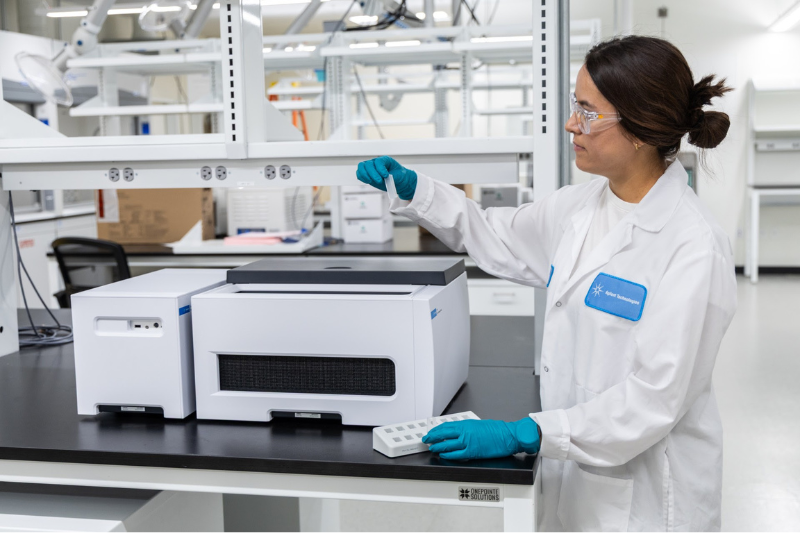
Agilent Technologies has announced it is expanding its facilities in Boulder, Colorado, with a new laboratory space dedicated to supporting the development and scale-up of emerging manufacturing technologies for oligonucleotide therapeutics.
The facility will initially focus on enzymatic ligation and will complement the company's existing oligonucleotide operations in Colorado and its broader manufacturing capabilities in Canada.
“We continue to evaluate manufacturing technologies that can help our customers advance oligonucleotide therapeutics from development toward commercialisation,” said Blake Unterreiner, Vice President and Business Unit Leader for Agilent’s Advanced Therapeutics Division.
The additional laboratory space gives our teams a dedicated environment to further evaluate the customer's enzymatic ligation processes and respond to evolving customer manufacturing needs.
Why this matters
Enzymatic ligation uses specialised enzymes in water to join shorter oligonucleotide fragments into longer therapeutic molecules.
The approach is being evaluated as a complement to solid-phase phosphoramidite synthesis (SPOS), an established method used across oligonucleotide development and manufacturing.
Enzymatic ligation is considered more eco-friendly because it uses water rather than a solid-support column with organic solvents, as in SPOS.
Together, however, these approaches are becoming increasingly complementary, giving companies greater flexibility to choose an appropriate manufacturing process based on a programme’s scale and technical requirements.
Agilent said that it expects initial customer programmes to begin in the Boulder laboratory in November 2026, subject to applicable operational and regulatory requirements.


