

A new ASTM method could give laboratories a standardised way to assess organic impurities in commercial methanol, helping improve consistency in international chemical supply chains.
Methanol plays a significant and widespread role in pharmaceutical manufacturing, primarily as a versatile solvent for chemical synthesis, recrystallisation and extraction processes, as well as a raw material or reagent in the production of various APIs and intermediate compounds.
The new standard (D8681) establishes a gas chromatography (GC) method for measuring organic impurities in commercial methanol.
The method can be used to analyse possible organic impurities in international methanol products, including alcohols and ketones, as well as transportation contaminants, such as benzene and MTBE.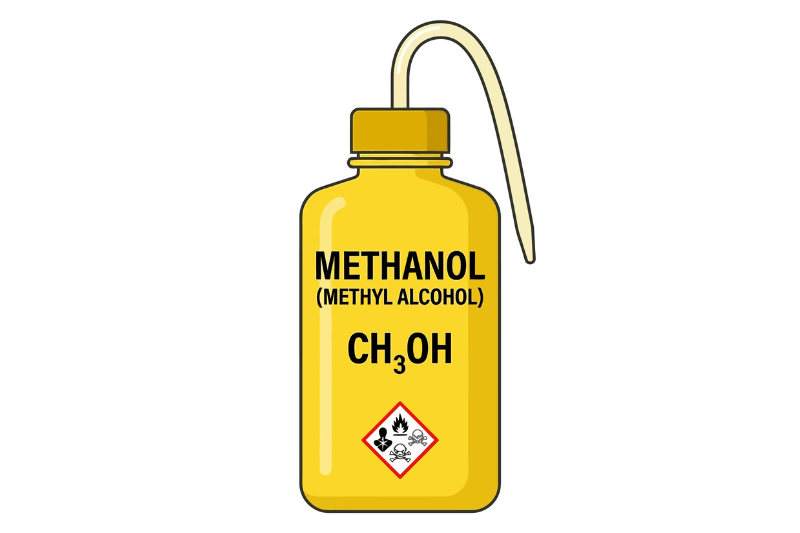
The test method, ASTM said, would give different laboratories a common analytical framework and add consistency between suppliers and consumers.
“All parties involved in international methanol trading will benefit from this new standard as a reliable method for organic impurity analysis,” said ASTM member Gao Ang, Sinopec.
This test method can be applied in enterprise laboratories, contract labs and any institutions that are concerned about the quality of methanol.


