
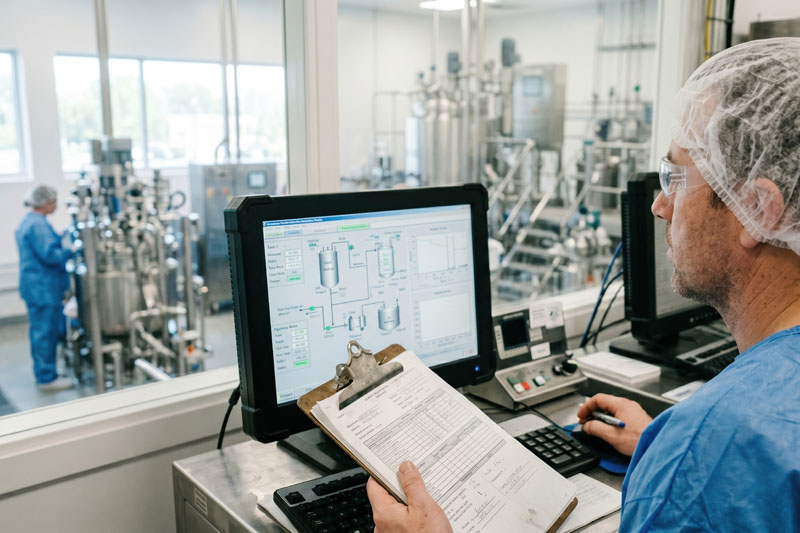
Every process equipment project that I’ve ever worked on goes through the same cycle.
The tablet press supplier finishes the FAT, the capsule filler supplier finishes the FAT, the isolator supplier finishes the FAT … and all these are done with an excellent protocol and an enthusiastic email.
Next, the SAT process comes on site, unit by unit, and it also passes with zero deviations. Then you connect the line and the problems begin.
It’s not accidental and it’s not necessarily an indicator of subpar performance of any supplier.
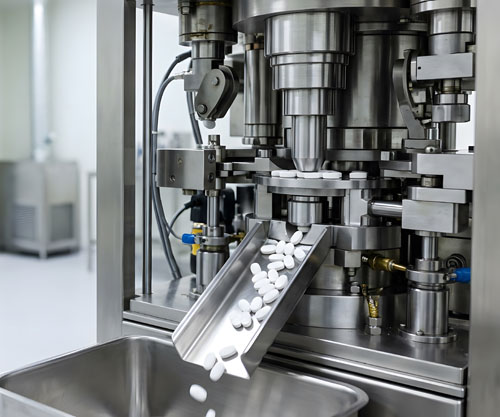
It is a natural deficiency. FAT (Factory Acceptance Testing) and SAT (Site Acceptance Testing) are designed to prove that the unit under test meets its own specification, but they don't consider how that unit interacts with the other three machines added to its environment.
As per the ISPE’s definition of FAT, it is "the partial commissioning and qualification of equipment and/or systems before their shipment from the fabricator's site."
Additionally, SAT proves that the unit installs and performs successfully at its destination site.1
There is nothing in that definition about whether the reject gate works fast enough to catch the container moving down another manufacturer's conveyor line or whether the unit's PLC talks to the vision system fault codes.


