

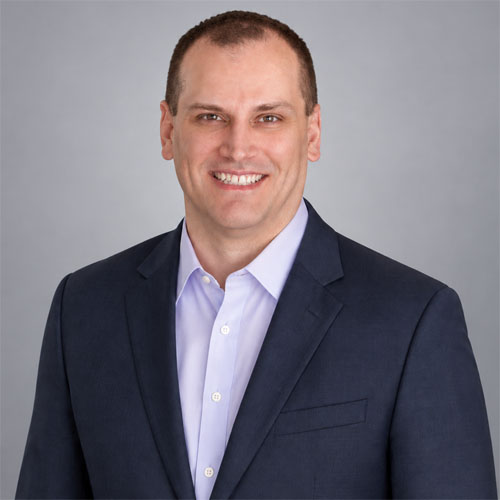
The future of medicine will be built at the intersection of biology and chemistry, says Sean Downing (SD), PhD, MBA, CSO at Vector Laboratories (pictured).
He tells Dr Kevin Robinson (KSR) how advances in molecular engineering are transforming research tools into therapeutic platforms and why researchers should be thinking less about discovering entirely new building blocks and more about intelligently combining the ones already available.
KSR: If the next frontier lies not in new molecules but in unlocking more value from existing therapies, what does that mean for researchers and their approach?
SD: It means starting with the biological question rather than assuming that the answer is another new target or molecule.
In immuno-oncology, for example, 115 of the 156 FDA cancer immunotherapy approvals since 2011 trace back to a single molecular axis in PD-1 and PD-L1; 11 of the 13 approvals in 2025 were PD-(L)1 agents; and the next generation of checkpoint targets has produced one approval in 13 years.


