
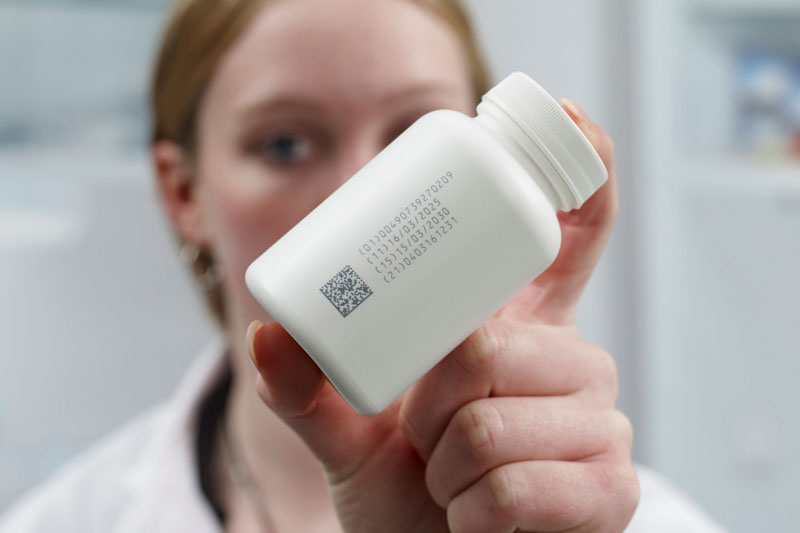
While serialisation and track-and-trace requirements are now standard for pharmaceutical products in many developed economies, many businesses are just scratching the surface of what’s possible with serialised 2D codes.
By adopting a patient-focused strategy that looks beyond current applications, businesses can better prepare products for the future of patient health and safety.
Patient-facing improvements
Enhancing patient safety and user experience should always be top of mind when making pharmaceutical packaging decisions.
There are clear opportunities to utilise 2D Data Matrix codes for direct patient engagement, including real-time access to medical information without relying on product packaging or paper patient information leaflets (PILs).
With digital access to PILs via 2D codes, patients can access the information on products and medicines in their preferred formats ... and updates can be made in real-time.


