
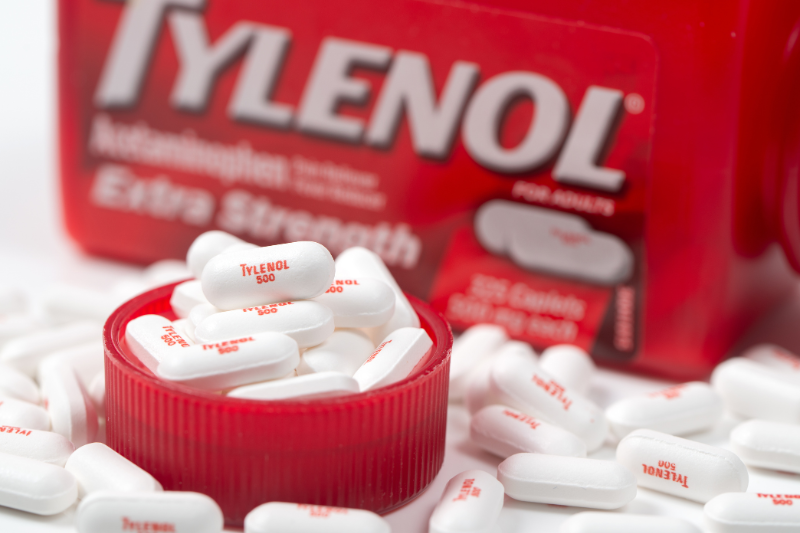
The US Food and Drug Administration (FDA) has approved Kenvue’s Tylenol with Naproxen, the first non-prescription fixed-dose combination product to pair acetaminophen with naproxen sodium in a single tablet.
The approval, announced last Friday, covers a product containing 325 mg acetaminophen and 110 mg naproxen sodium per tablet.
The labelled dose provides 650 mg and 220 mg of the respective active pharmaceutical ingredients (APIs) and is indicated for the temporary relief of minor aches and pains in adults and children aged 12 years and older.
According to the FDA, the product can provide up to 12 hours of pain relief and is indicated for conditions including headache, backache, muscular aches, toothache, menstrual cramps and minor arthritis pain.
The approval comes as the US administration continues to pursue policies aimed at expanding access to established medicines without a prescription.
Reuters reported that the FDA said the decision aligns with the administration’s wider healthcare agenda to make more verified safe pharmaceutical products available over the counter.
The product brings two long-established APIs together in a single OTC dosage form, potentially simplifying dosing while providing the complementary pharmacological effects of acetaminophen and a non-steroidal anti-inflammatory drug.
Kenvue said its application was supported by eight clinical studies, which found the combination provided superior pain relief compared with either acetaminophen or naproxen sodium 220 mg alone.
It added that clinical data from the development programme is due to be presented at upcoming medical congresses.
Kenvue said the FDA has granted the new OTC formulation a three-year period of exclusivity.
The company described the approval as an extension of Tylenol’s long history of pain-relief innovation.
For pharmaceutical manufacturers, the approval demonstrates the continued commercial and regulatory potential of reformulating established APIs into differentiated fixed-dose combination products, particularly in the OTC medicines market.
It also provides a high-profile example of how established APIs can be repositioned through formulation and clinical development rather than relying on the discovery of a new molecular entity.


