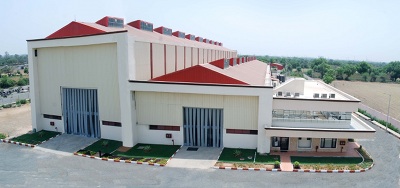
Vadodara, Gujarat factory provides local build of processing equipment
GEA Pharma Systems has opened a new factory in Vadodara, Gujarat to service India and provide reduced-cost manufacturing of high-technology solid dose and liquid pharmaceutical processing equipment for the local market. The company will initially manufacture fluid bed and granulation technology in the new facility and will extend the scope of production to meet growing demand.
Until now GEA Pharma Systems, the technology leader in pharmaceutical processing, has manufactured outside India, mainly in Europe. The new factory will offer strategic low-cost manufacturing, allowing the company to provide European-quality processing equipment at prices that are affordable in the growing Indian market.
‘India is a high-growth market that’s very price-sensitive and susceptible to technology,’ said Navin Lakhanpaul, regional manager for GEA Pharma Systems in Vadodara. ‘This low-cost manufacturing base will allow us to provide the high-end, European quality products our Indian customers need at prices that are appropriate to the local market.’ He added that the local manufacture will also help the company be more reactive to local market demands.
The factory will employ local staff and peripheral equipment, such as control systems, will also be sourced locally, providing an additional boost to local suppliers. ‘In most projects, much of the project value is in peripheral equipment. It’s also essential for us to keep the technical know-how close at hand to help us maintain the efficient after-sales service our customers expect,’ said Navin.
The effects of low-cost manufacturing, locally-sourced peripheral equipment and reduced transportation costs can often reduce the equipment price significantly when compared with equipment bought from Europe.
Navin also explained that the high quality approach satisfied the demand for all pharmaceutical equipment produced in India to meet international quality standards. ‘Not only do our Indian customers want to supply the local market with high-quality products they also want the facilities necessary to sell into Europe and offer manufacturing services to European customers. Our equipment provides the necessary quality, efficiency and environmental control to allow them to do so.’
Frans Maas, GEA Pharma Systems’ division director for sales and marketing, commented that the new facility was critical to the organisation’s long-term plans. ‘The factory in Vadodora is an important development for our company and part of our strategy for sustainable supply,’ he explained. The opening of the factory, for example, follows soon after GEA’s announcement of two agency agreements with ACE Technologies of Mumbai, for the distribution of MODUL tablet presses from GEA Courtoy and pharmaceutical freeze drying technology from GEA Lyophil throughout India.
The factory has been built adjacent to the company’s existing office building which was opened in 2007.