

At Chiba University, a team led by Professor Takashi Miki has identified how hyodeoxycholic acid (HDCA), a naturally occurring bile acid, reduces excess fat accumulation in the liver.
The condition, metabolic dysfunction-associated steatotic liver disease (MASLD), affects around a quarter of adults worldwide and can progress to fibrosis and cirrhosis if left unmanaged.
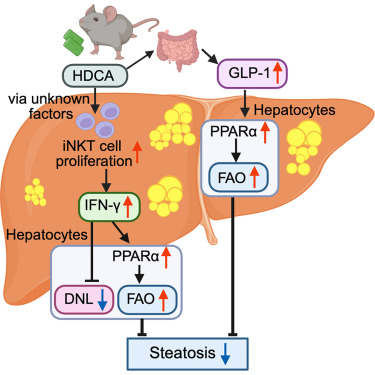
Working with mice that were fed a high-fat diet, the researchers found that a 0.25% dose of HDCA lowered blood glucose, reduced liver triglycerides and improved liver function without affecting body weight, indicating that the benefits were not simply a result of weight loss.
Further investigation revealed that HDCA works through two separate pathways that converge on PPARα, a protein that switches on genes responsible for breaking down fatty acids.


