Manufacturing facility awarded certification for PFP spray systems
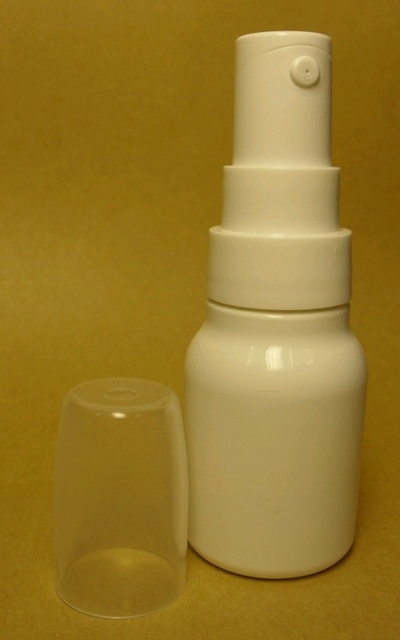
MWV is offering its Preservative Free Pump Topical (PFP T) for sampling. In addition, the facility in Hemer, Germany, where the packaging specialist manufactures the PFP products, has been certified to DIN ISO 15378:2007 for development, manufacturing and distribution of spray systems for pharmaceutical products, which is based on the internationally recognised standard ISO 9001:2000.
The PFP products protect medicines from contamination. They include a combination of a formulation without chemical preservatives, a pump system that filters or blocks the returning air, and an actuator that prevents bacterial ingress into the dispenser.
MWV says the five-fold mechanical protection system assures germ-free pump dosing to the patient. It includes non-return valves next to the orifice bore and in the metering chamber, and a filter element for contamination-free ventilation of the container, a locked actuator, and a sealed air path during storage.
The PFP T delivers volumes from 0.05mL to 0.14mL. Upside down and tamper-evident features are also available with the product.
‘We are expanding the range of preservative free pumps to meet consumer demand for preservative-free formulations,’ said Chris Hall, vice president and managing director, Medical Plastics Division, MWV Healthcare.
‘This technology does more than protect preservative free medicines from contamination, it is also suitable for use with other topical or dermal products where protecting the formulation and maintaining sterility is important, and necessary.’