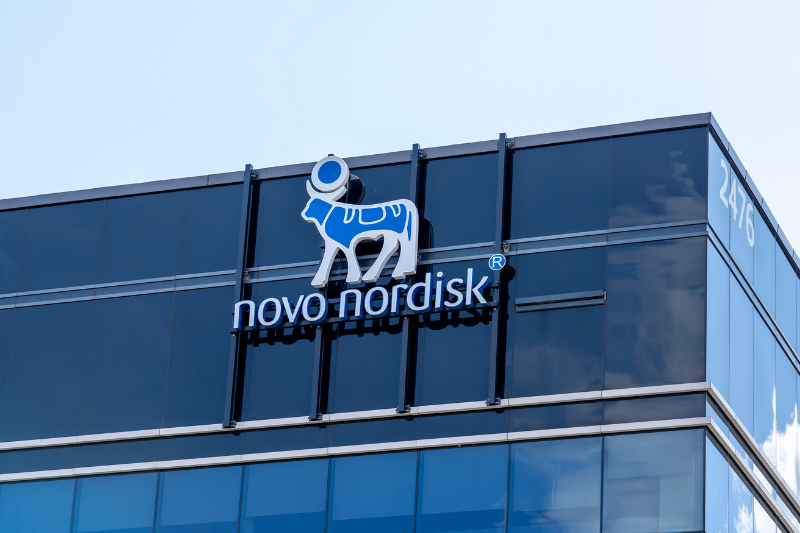
Novo Nordisk is planning to expand manufacturing capacity at its Athlone, Ireland, site to support production of its oral Wegovy therapy for markets beyond the United States, according to a recently published interview with CEO Mike Doustdar in Bloomberg.
Doustdar indicated that the investment forms part of the company’s wider strategy to strengthen supply infrastructure as demand grows for glucagon-like peptide-1 (GLP-1) obesity treatments.
While financial details and timelines have not been disclosed, the move signals continued capital commitment to oral solid-dose manufacturing following the strong early launch of the once-daily Wegovy tablet in the US.
The oral therapy, approved by the US Food and Drug Administration in late 2025, was launched in January and rapidly achieved significant uptake, with hundreds of thousands of prescriptions reported in the first weeks.
Regulatory submissions have also been filed with the European Medicines Agency, with approval anticipated in the near term.
The planned expansion builds on the company’s acquisition of the Athlone tablet manufacturing facility from Alkermes, providing additional development and production capacity for oral products and supporting a workforce of approximately 400 employees.
Industry observers view the investment as reinforcing Ireland’s position as a major pharmaceutical manufacturing hub, hosting operations from multinational companies including Eli Lilly, Pfizer, Johnson & Johnson and AbbVie.
The manufacturing strategy comes amid intensifying competition in the obesity market, where injectable therapies such as Zepbound have challenged market leadership.
Novo Nordisk has responded by broadening formulation options, including oral dosing and vial presentations designed to ease manufacturing scale-up compared with autoinjector formats.
Doustdar also highlighted the scale of global unmet need in obesity, diabetes and related metabolic conditions, positioning manufacturing investment as essential to expanding patient access worldwide.
Despite forecasting commercial headwinds linked to pricing pressure and patent expiries, the company continues to prioritise capacity expansion across multiple regions.
For manufacturing stakeholders, the Athlone plans illustrate the strategic role of flexible oral dose facilities in supporting portfolio diversification and supply resilience, particularly as GLP-1 therapies transition from niche speciality products to large-volume global medicines.


