

Preclinical research provider Oncodesign Services has announced it is extending its partnership with GIP ARRONAX to secure access to astatine-211 (At-211) as well as other radionuclides used in targeted radiotherapy (TRT), supporting the advancement of discovery and preclinical programmes.
The collaboration enhances the existing partnership between the two organisations to secure difficult-to-access radionuclides, particularly At-211, an alpha-emitting radioisotope with growing scientific interest but limited availability.
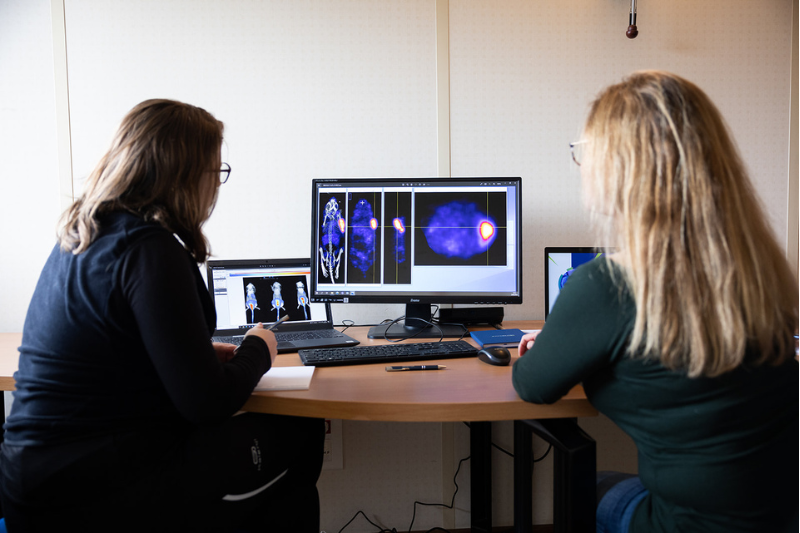 GIP ARRONAX, a French research institute focused on innovative radionuclide production, already supplies lead-203 (Pb-203) and copper-64 (Cu-64) to Oncodesign Services.
This extended collaboration now includes At-211, ensuring ongoing access for programmes that need this isotope.
"Astatine-211 is attracting attention due to its favourable nuclear properties and potential application in targeted radiotherapy," said Dr Aidan Synnott, CEO, Oncodesign Services.
"However, its short half-life and limited production capacity make access and logistics critical."
Extending our collaboration with GIP ARRONAX helps address these constraints and supports continuity in preclinical programmes.
At-211 has a half-life of about seven hours, requiring precise coordination in its production, transport and study execution. Access to such radionuclides is crucial for generating meaningful preclinical data in TRT programmes.
"We have been working with astatine-211 for many years, producing it on a very regular basis and supporting its transition to GMP production and clinical trials," said Prof. Ferid Haddad, GIP ARRONAX Director.
Our experience covers the full development chain from isotope production to radiolabeling scale-up and IMPD preparation and clinical dose delivery, partnering with several companies developing next-generation alpha-emitter therapies.
The extended collaboration demonstrates a mutual commitment to facilitating translational research in a field where scientific, logistical and operational factors are closely linked.
Additionally, it helps Oncodesign Services achieve its broader goal of minimising development delays by addressing bottlenecks early in the preclinical phase.


