


Touchlight has won the Innovation Catalyst award at the CPHI Pharma Awards 2026 for its cell-free Doggybone DNA (dbDNA) manufacturing platform, designed to support the production of DNA for genetic medicines.
The UK-based biotech received the award at this year's CPHI Milan show, recognising its work to establish enzymatic DNA manufacturing as an alternative to conventional plasmid DNA production.
Touchlight’s proprietary dbDNA technology uses enzymatic synthesis rather than bacterial fermentation to produce DNA.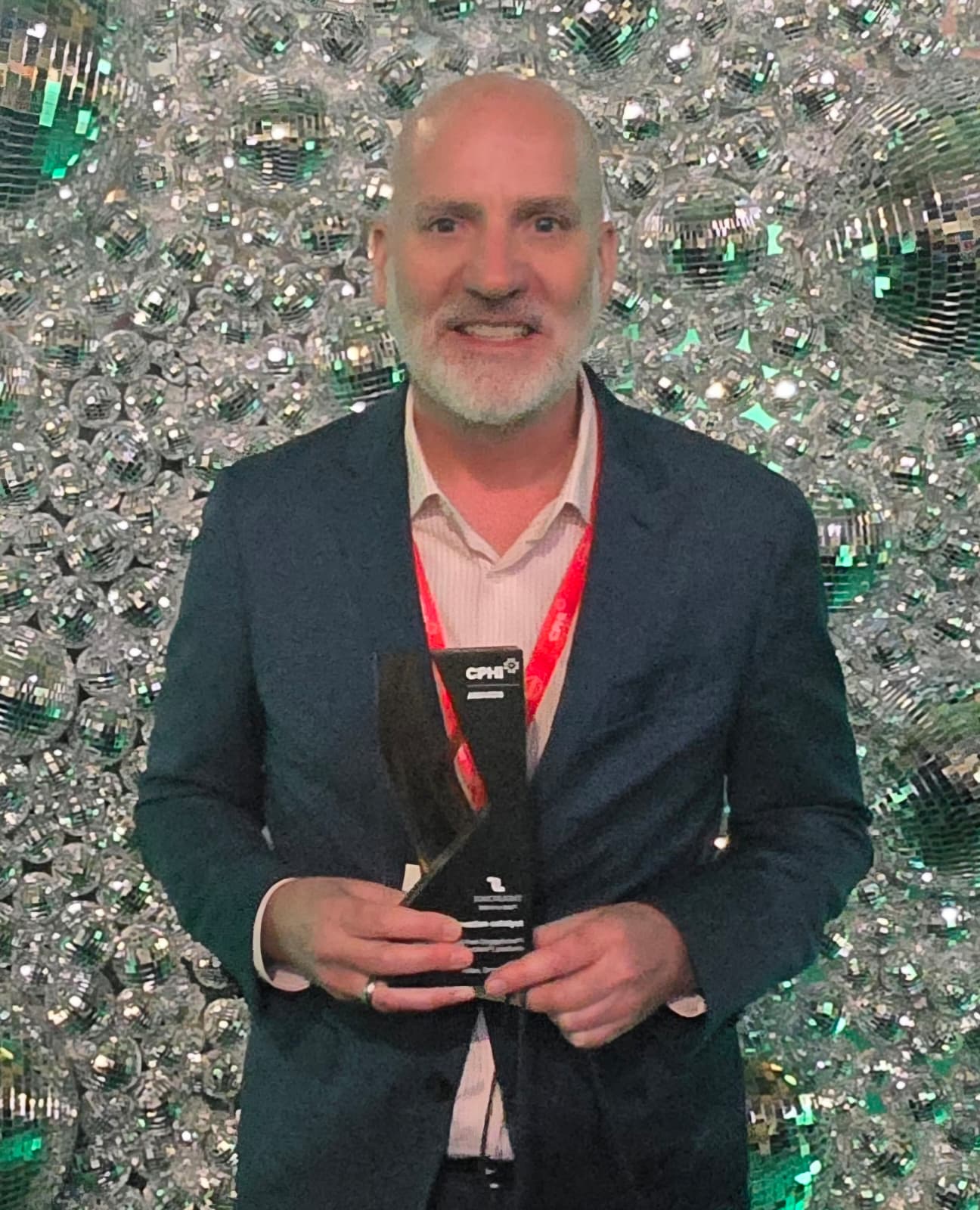
The company says the approach enables faster, scalable manufacturing without bacterial sequences, supporting applications including mRNA production, viral vectors, DNA vaccines and gene editing.
Will Downie, Board Director at Touchlight Genetics, told Manufacturing Chemist: “Touchlight is delighted to have won the 'Innovation Catalyst' category at last week's prestigious CPHI awards ceremony."
"The company prides itself on being the world's leader in the manufacturing of cell-free, synthetic DNA."
Our purpose is to provide the pioneering technology that is enabling our customers to bring so many genetic medicines to market, impacting the lives of so many patients around the world.
GMP manufacturing supports clinical adoption
Last year, Touchlight announced that its facility had received the world’s first GMP licence for cell-free DNA manufacturing.
This followed the establishment of an FDA Drug Master File (DMF) in 2022, providing a regulatory reference for developers using its DNA products.
According to Touchlight, its platform has supported nine accepted IND applications and clinical trial applications (CTAs), with seven programmes ongoing.
These figures indicate growing use of the technology in clinical development.
The company operates 11 GMP manufacturing suites at its London facility, supporting production of enzymatic DNA for advanced therapy manufacturing.
Alternative to plasmid DNA production
Conventional plasmid DNA manufacturing typically relies on bacterial fermentation, followed by processes to isolate and purify the required DNA.
Touchlight’s cell-free approach is intended to address manufacturing constraints associated with this production method, including the removal of bacterial-derived sequences and the need to support increasingly complex genetic medicine designs.
The platform has potential applications across AAV and lentiviral vector production, mRNA and DNA vaccines, non-viral gene therapy and genome editing.
Touchlight was also shortlisted in the Manufacturing Excellence and Sustainable Pharma Excellence categories at this year’s CPHI Pharma Awards, reflecting its work across manufacturing, innovation and sustainability.


