
When an incoming material comes with an HPLC result of 99% or 99.5%, that number tends to attract attention. It looks precise and it’s easy to understand.
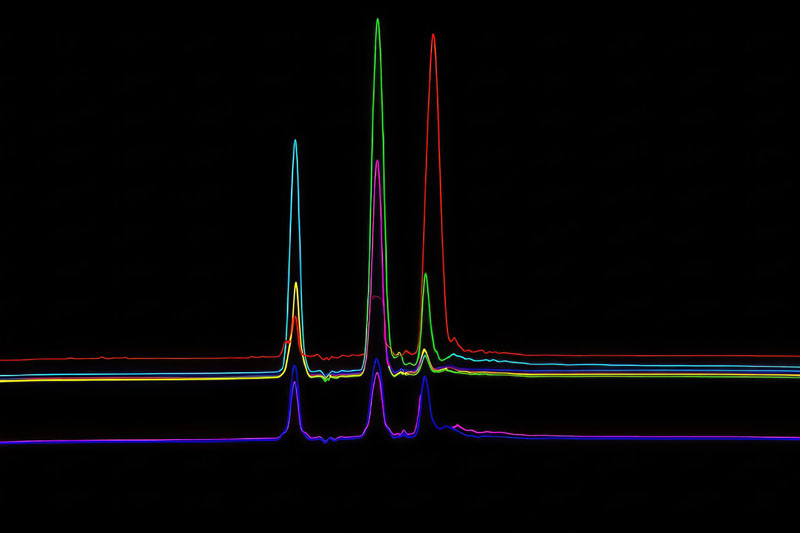
A large main peak and a few smaller peaks seem to tell a straightforward story: most of the sample is the material you wanted and only a small amount is something else.
Sometimes that’s a reasonable interpretation of the chromatographic result. The problem starts when the number is asked to prove more than the method measured.
Cristian Bucsa, founder of ReviveLab, investigates.
A high HPLC purity result does not automatically prove that the main peak is the molecule named on the label.
Purity and identity are related quality questions, but they are not the same question.
That distinction becomes important when laboratories and manufacturers review incoming materials, especially when most of the available evidence comes from a supplier certificate of analysis.


