Based on a genetically modified killed whole virus
An HIV vaccine based on a genetically modified killed whole virus has been approved by the US FDA to start human clinical trials.
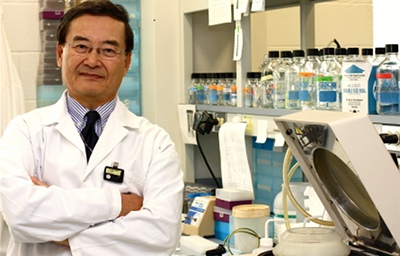
Developed by Dr Chil-Yong Kang and his research team from The University of Western Ontario, the SAV001 vaccine has been shown to stimulate a strong immune response in preliminary toxicology tests in lab animals with no adverse effects or safety risks. It is the only HIV vaccine currently under development in Canada, and one of only a few in the world.
‘FDA approval for human clinical trials is an extremely significant milestone for our vaccine,’ said Kang, a researcher and professor at Western’s Schulich School of Medicine & Dentistry.
HIV/AIDS has killed more than 28 million people worldwide, and more than 35 million people currently live with the virus infection. Since the virus was characterised in 1983, there have been numerous trials through pharmaceutical companies and academic institutions around the world to develop vaccines; however, no commercialised vaccine has been developed to date. Other HIV vaccines evaluated through human clinical trials have focused on either one specific component of HIV as an antigen, genetic vaccine using recombinant DNA, or recombinant viruses carrying the HIV genes. Kang’s vaccine uses a killed whole HIV-1, much like the killed whole virus vaccines for polio, influenza, rabies and hepatitis A. The HIV-1 is genetically engineered so it is non-pathogenic and can be produced in large quantities.
Before it can be commercialised, the SAV001 vaccine must go through three phases of human clinical trials.
Phase I, set to begin this month with 40 HIV-positive volunteers, will check the safety of the vaccine.
Phase II will involve approximately 600 HIV-negative volunteers who are in the high-risk category for HIV infection and measure their immune responses.
Phase III will measure the efficacy of the vaccine in a larger group of approximately 6,000 HIV-negative volunteers who are also in the high-risk category for HIV infection.
The vaccine has been developed with support from Sumagen Canada, a biotech company established in 2008 specifically to support clinical development of Kang’s vaccine. Sumagen Canada is a subsidiary of Sumagen Co Ltd, a Korean pharmaceutical venture company.
Through WORLDiscoveries, Western’s technology transfer office, Sumagen Canada has secured patents for the SAV001 vaccine in more than 70 countries, including the US, the European Union, China, India and South Korea.
The vaccine has been manufactured at a bio-safety level 3 (BSL3) GMP plant in the US.