

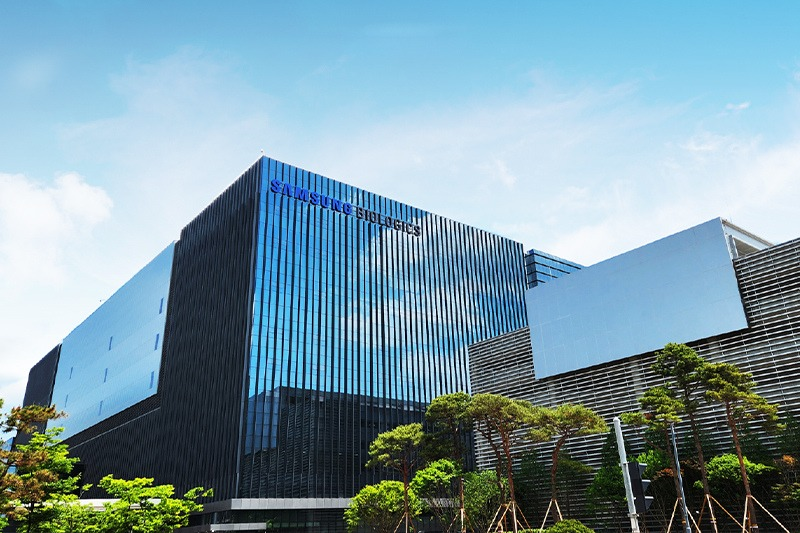
Samsung Biologics has won an appeals court ruling banning industrial action across all nine core drug substance manufacturing processes at its Songdo campus in Incheon, South Korea, just days before a second strike was due to begin.
The Seoul High Court ruled on Friday that the processes are protected work needed to prevent the deterioration or spoilage of raw materials and products.
During any industrial action, operations must continue at the same staffing levels, working hours, production scale and duty of care as normal.
The ruling covers flask culture, bioreactor culture, harvest, media preparation and supply, chromatography, viral filtration, concentration and buffer exchange, drug substance filling, as well as buffer preparation and supply.
Speaking to Manufacturing Chemist, a spokesperson for Samsung Biologics said: "The court confirmed that our nine core drug substance processes must run at normal staffing, operating hours, production scale and standards of care during any industrial action."
Cell culture uses living cells that cannot be paused and an interruption can mean losing a batch, not delaying it.
Expanded from three stages
The decision overturns a lower-court ruling: in April, the Incheon District Court granted the injunction only for the final three processes, rejecting the application for the earlier culture-stage processes.
The appeals court has now expanded the injunction to cover all nine processes sought by Samsung Biologics and granted its request for indirect enforcement.
Under that order, the union must pay 20m won (about $13,100) for each injunction violation.
The court classified the processes as work necessary to prevent deterioration and spoilage of raw materials and products. It also considered the potential losses a production halt would cause and wider impacts such as supply disruption for treatments with no substitutes.
Background to the dispute
The union has around 4000 members, about 73% of the company’s 5455 employees.


