

Pharma 5.0

Validating AI in pharmaceutical manufacturing: innovation without compromising compliance

With artificial intelligence (AI) moving from experimentation into regulated environments, pharmaceutical manufacturers must rethink how they demonstrate software reliability, manage risk and maintain a validated state

You need to be a subscriber to read this article.
Click here to find out more.

AI is becoming an increasingly important component of pharmaceutical manufacturing.

From predictive maintenance and process optimisation to automated visual inspection, deviation management and quality control, AI-enabled technologies offer significant opportunities to improve efficiency and operational decision-making.
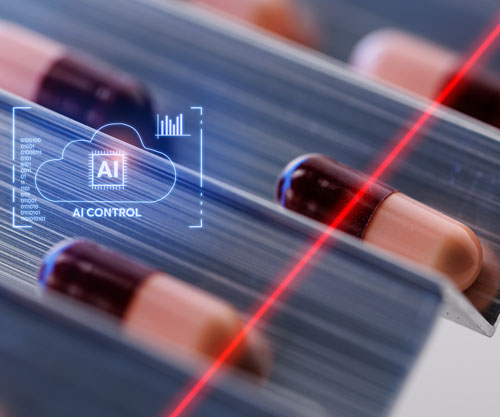
Validating AI in pharmaceutical manufacturing: innovation without compromising compliance

Yet, for manufacturers operating within GMP environments, technological capability alone is insufficient.

Any system influencing product quality, patient safety or GxP data integrity must be demonstrably fit for its intended use.

This creates a fundamental challenge: how can pharmaceutical manufacturers validate software whose outputs may be probabilistic, context-dependent or subject to change?

At Assurea, David Nugent states, we believe the answer lies in adapting established validation principles to the characteristics of AI, rather than abandoning the risk-based foundations that have supported pharmaceutical quality for decades. 

Not yet a Subscriber?

This is a small extract of the full article which is available ONLY to premium content subscribers. Click below to get premium content on Manufacturing Chemist.

Subscribe now Already a subscriber? Sign in here.

Trending Articles

  1. You need to be a subscriber to read this article.
    Click here to find out more.
  2. You need to be a subscriber to read this article.
    Click here to find out more.
  3. You need to be a subscriber to read this article.
    Click here to find out more.

You may also like