
Vetter, a globally leading contract development and manufacturing organisation (CDMO), has strengthened its sustainability strategy with distinguished recognitions: the internationally renowned EcoVadis Platinum rating as well as the official validation of its emission reduction targets by the Science Based Targets initiative (SBTi).
Both achievements highlight the company’s commitment to climate protection and responsible business practices.
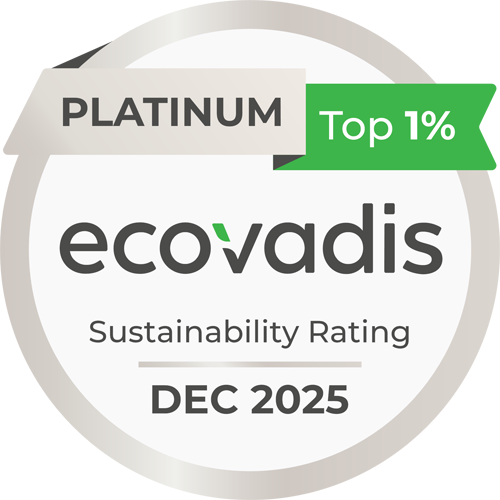
For the fourth consecutive year, Vetter has been recognised by the internationally renowned EcoVadis sustainability ranking, earning Platinum status for 2025 and placing itself among the top 1% of all rated companies globally.
The official validation of the emission reduction targets by the SBTi approves Vetter’s ambitious sustainability roadmap: by 2034, the CDMO aims to reduce absolute greenhouse gas emissions from Scope 1 and 2 by 58.8% (baseline 2021).
These goals align with the Paris Agreement and represent one of the most rigorous standards for corporate climate action worldwide.
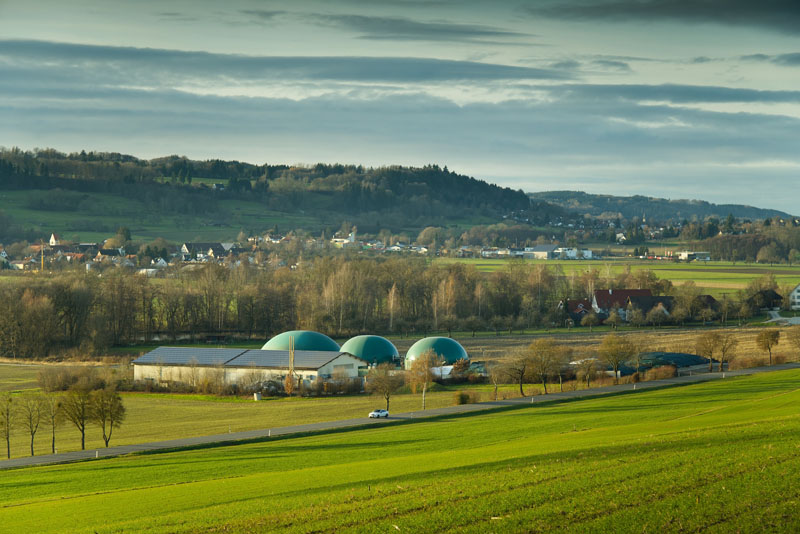
The planned reductions will be achieved through a comprehensive mix of measures, including technical modernisation of facilities and equipment, leveraging energy recovery potentials such as waste heat, and transitioning to lower-carbon energy sources (such as replacing natural gas with biomethane).
“We are proud of the various steps we are taking to reduce our company’s carbon footprint,” states Managing Director Henryk Badack.
“Both the validation by the SBTi and the Platinum rating from EcoVadis emphasise our strategic commitment to both people and planet and bring us one step closer to effective climate protection and to achieving overall sustainability goals."
Investing in renewable energy and nature restoration
Moving ahead, the family owned company continues to invest in renewable energy projects.
In 2025, the CDMO expanded its overall photovoltaic capacity, covering 22% of the electricity needs of the Ravensburg Vetter West site.
The company also began using biomethane, saving more than 1000 tons of CO₂ annually.
Additional initiatives include removing sealed parking areas to create green spaces under photovoltaic installations — improving local microclimates and enabling natural rainwater infiltration.
“In partnership with a local partner supplying biomethane directly to our sites, we unite climate protection with regional value creation and energy security — while significantly reducing our environmental footprint,” says Gabriel Fischer, Team Lead Environment, Health & Safety/EHS Management Systems.
“Alongside this, expanding our photovoltaic capacity and using state-of-the-art technology such as biomethane further demonstrates that sustainability and innovation can go hand in hand.”


