

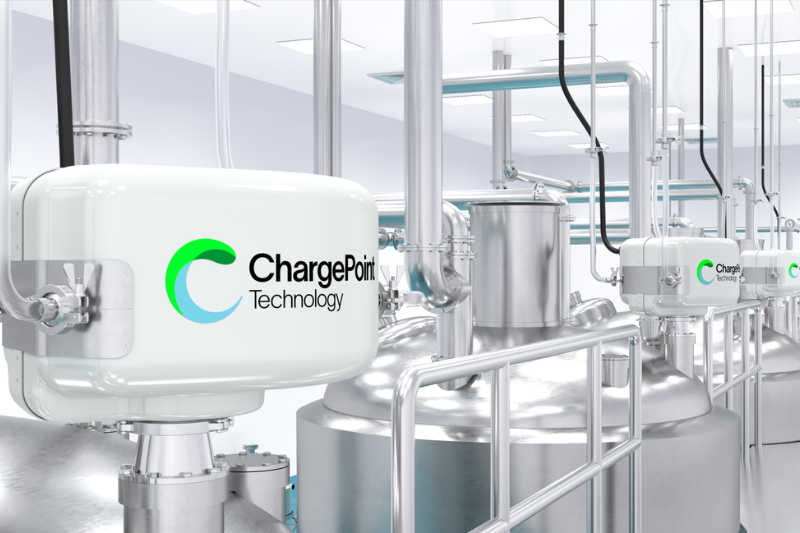
ChargePoint Technology has launched a new aseptic transfer system, ChargePoint Actis, that it says will "fundamentally change" the way pharma manufacturers accomplish sterility assurance in aseptic processes.
The system, ChargePoint says, will enable isolator-level regulatory confidence within a single compact system, promising lower infrastructure costs and faster processing times and allowing manufacturers to remain EU GMP Annex 1 compliant.
The new transfer system combines proven principles of aseptic transfer — such as isolation, rapid transfer ports, split valves and steam sterilisation — into a single, compact, fully automated system.
Manufacturers have historically had to use high-grade cleanrooms, isolator barriers, laminar air flow systems and complex decontamination processes in order to achieve sterility assurance.
ChargePoint Actis promises to bypass the "ring of concern" — the critical vulnerability where two transfer surfaces meet and separate — by building validated sterility assurance and both primary and secondary containment into the transfer connection itself.
How it works
ChargePoint Actis has a steam-sterilisable chamber, allowing direct aseptic transfer of material without exposing the product to the surrounding environment.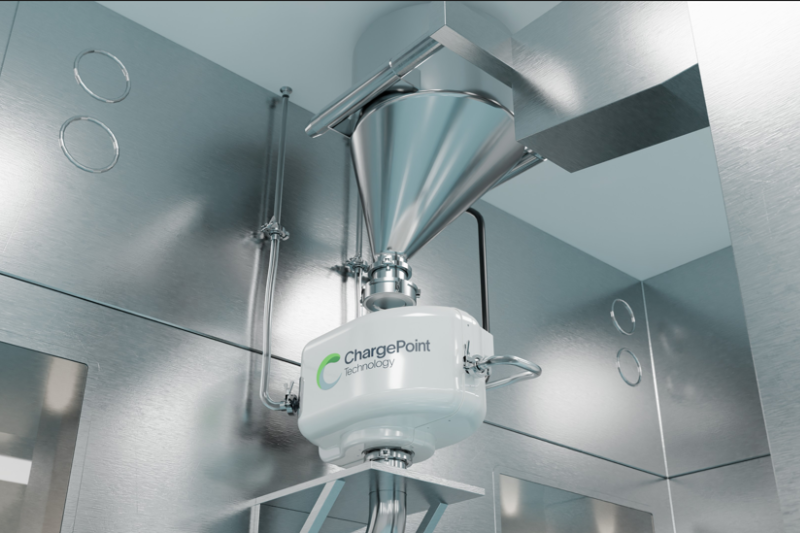
This addresses multiple requirements for aseptic transfer outlined in EU GMP Annex 1, including closed-transfer, penetrative sterilisation for product-contact surfaces, reduced manual handling and negated first air disruption.
The system also has a single steam-in-place (SIP) sterilisation cycle that supports multiple consecutive transfers, as well as an automated direct transfer.
“ChargePoint Actis represents a quantum leap in aseptic processing,” said Chris Eccles, CEO of ChargePoint Technology.
"For years, pharmaceutical manufacturers have had to balance sterility assurance with operational complexity and cost."
"ChargePoint Actis changes that equation by integrating validated sterility directly into the transfer connection itself — without compromising on efficiency, expenditure or footprint."
This groundbreaking aseptic transfer technology is designed and validated not only for today’s manufacturing requirements, but for the future of Annex 1 compliance, advanced therapeutics and evolving aseptic processes.


