


Cold Chain Technologies (CCT) has redesigned a global biopharmaceutical customer's temperature-controlled shipping strategy, replacing a legacy dry ice-based system with a data-led packaging solution intended to reduce environmental impact while maintaining pharmaceutical product protection.
The project addressed limitations associated with the customer's existing combination of dry ice and expanded polystyrene (EPS) packaging, including handling risks, regulatory requirements and difficulties recovering materials at scale.
The previous format was also poorly aligned with actual ordering patterns, creating opportunities to reduce packaging waste and improve freight efficiency.
Rather than simply substituting one packaging material for another, CCT assessed shipment profiles, thermal performance, refrigerant options and end-of-life disposal requirements to develop a solution tailored to the customer's distribution needs.
Analysis found that 56% of shipments contained three cartons or fewer, with many orders following predictable quantity patterns.
CCT used these findings to develop extra-small, small and medium packaging configurations that better matched shipment volumes, helping reduce unused space, material consumption and transport inefficiencies.
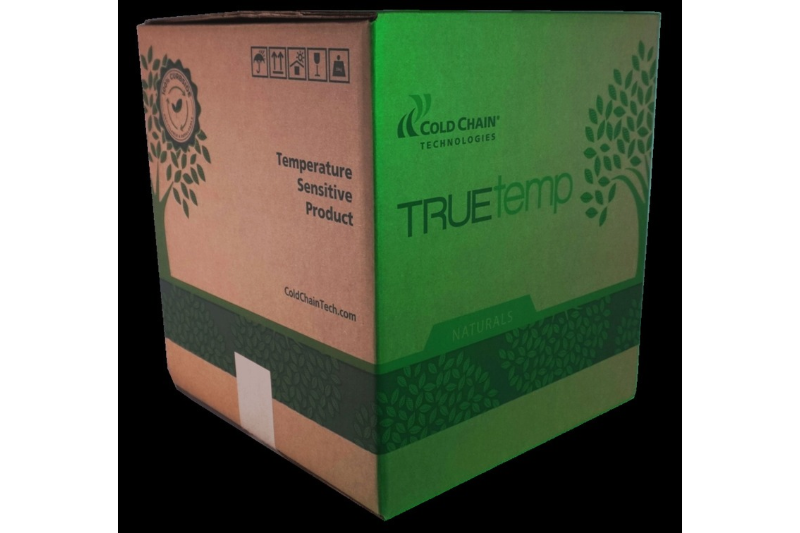 The company also evaluated alternative insulation materials and refrigerant systems against criteria including temperature performance, operational usability, recyclability, customer disposal requirements and wider environmental impact.
The resulting design combines paper-based thermal packaging with a water-based refrigerant carton that can be recycled through standard kerbside paper recycling channels, subject to local recycling requirements and the specified disposal instructions.
This approach reduces reliance on dry ice and simplifies disposal for recipients.
CCT validated the proposed system through a lifecycle assessment (LCA), which identified the paper-based carton as the lowest-impact option among those evaluated.
The assessment also found that water-based refrigerant systems performed better environmentally than the dry ice-based alternatives considered.
Christopher McLaughlin, Senior Global Marketing Manager at CCT, said the project demonstrated the importance of tailoring pharmaceutical cold chain solutions to actual shipping requirements.
“The final result shows how there is never a one-size-fits-all solution to pharmaceutical cold chain challenges. Our customer gained a more sustainable shipper, a better fit to its real shipment profiles, reduced dependence on hazardous materials, as well as a simpler end-user experience."
For CCT, we’re delighted to have been able to demonstrate the value of bringing together right-size packaging design, refrigerant innovation, thermal engineering and environmental assessment to solve complex life sciences distribution challenges.
The project highlights how pharma logistics providers can use shipment data and lifecycle analysis to identify improvements across temperature-controlled distribution, balancing product integrity with operational efficiency and more sustainable packaging choices.


