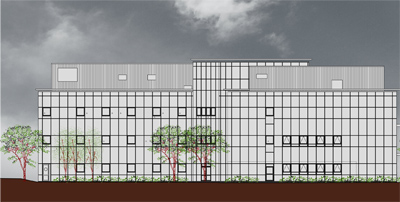
Thirty new laboratories and offices for 300 research scientists are to be built in Norfolk, UK
Thirty new laboratories and offices for 300 research scientists are to be built in Norfolk, UK with £5m of funding from a partnership including the Biotechnology and Biological Sciences Research Council (BBSRC).
The new development will be based at Norwich Science Park and provide facilities for start-up and expanding businesses.
BBSRC will provide £500,000 as well as the land and buildings to host the new facilities, with £1.4m coming from the East of England Development Agency (EEDA), £1m from the Greater Norwich Development Partnership (GNDP), £500,000 from NRP partner the University of East Anglia (UEA), and the remainder from other NRP partners.
The new facilities, to be opened in July, will be managed by a new joint venture company called Colney Innovations (CIL).
David Parfrey, BBSRC director of finance and director of CIL, said: "The research carried out by the 2,000 scientists already working at Norwich Science Park is world-class and it makes absolute sense to create a facility on this site where the results of such research can be taken through to applications."
Prof Douglas Kell, chief executive of BBSRC, added: "The Norwich Research Park is home to three world-class BBSRC institutes: the John Innes Centre, the Institute of Food Research and The Genome Analysis Centre. This new facility will play a key role in helping our scientists, and others, to translate their excellent science into products to benefit the economy and people of the UK."