
For many OSD manufacturers, blister package integrity testing still means blue dye testing. It is familiar, visual, and widely understood, with evidence usually based on selected samples.
That familiarity has value, but it can also make the wider testing strategy harder to review. When teams are working with moisture-sensitive products, limited batch sizes, sustainability targets, or tighter data expectations, the question is not only whether blue dye can show a leak. It is whether the method gives QA the evidence needed for the product and routine process.
Start with the quality question
The starting point is the quality question behind the test. Is the team checking routine production quality? Investigating a suspected sealing issue? Comparing materials during development? Reviewing product after a packaging deviation? Generating evidence for validation? Trying to reduce destructive sample loss?
The method should then be considered in relation to the product, blister format, likely leak paths and the level of evidence QA needs. Deterministic testing can provide objective, repeatable results under defined conditions, reducing reliance on visual interpretation and making the evidence easier for QA to review.
The evidence required will vary by application. Development work may prioritise flexibility, routine QC requires defined parameters, and validation needs a clear link between known sample condition and method response.
The pack format should guide the method
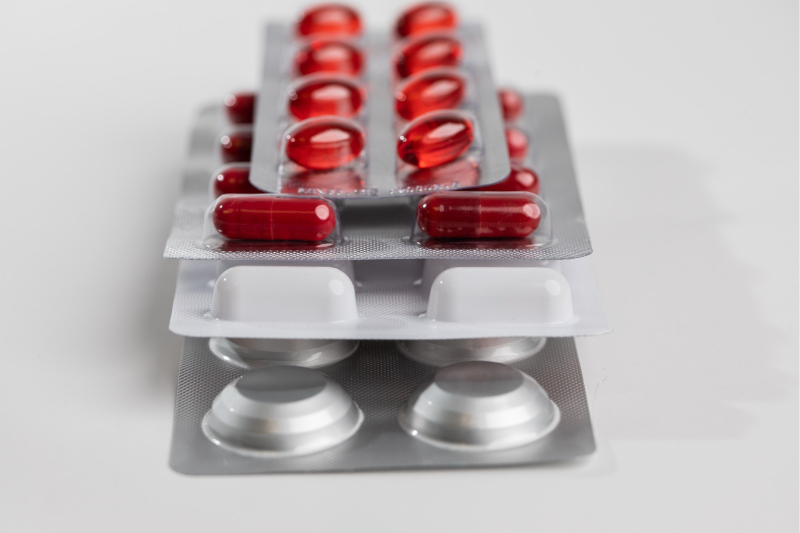
Blister packs may have multiple pockets, printed or unprinted foil, different lidding structures, formed cavities, product movement, or material combinations that affect how defects behave. The package integrity question may involve seal quality, pocket damage, pinholes, channels, or whether the pack continues to protect the product as intended.
A visual check may identify obvious damage, but it may not answer whether the pack has maintained its protective function. A destructive leak test may provide useful evidence from selected samples, but it removes those samples from further use. A non-destructive method may preserve passed packs and provide objective records, but it still needs to be shown suitable for the actual pack.
Blue dye testing is a familiar example. It can be useful because the result is visible and easy to understand, especially during development work or investigations. But it is also destructive, sample-based, and dependent on the conditions of the test and the way the result is assessed. For routine QA decisions, those limitations need to be considered alongside the method's familiarity.
Package integrity testing should therefore begin with the blister pack format, product risk, likely leak paths, and the evidence QA needs.
Routine use needs evidence that can be reviewed
A method that works in a demonstration still has to work in routine use. For QA, this means the process around the test matters as much as the test itself. The site needs to define how samples are selected, how the method is set up, how results are recorded, and what happens after a pass, fail, invalid, or repeated test.
For validation, the site needs documented evidence that the method is suitable for its intended use. Depending on the application, this may include known-defect samples, negative controls, detection capability, repeatability, reproducibility, method robustness and justified acceptance criteria.
Non-destructive testing changes the practical options
Non-destructive testing can change the package integrity conversation because a passed pack may remain intact, depending on the method, product, and site procedure.
That can be useful when product is limited, batches are small, samples are valuable, or the team wants more evidence without automatically increasing waste. It may also help during development or investigations, where retaining the tested pack can keep further review options open.
Sepha's VisionScan 3D is designed for non-destructive blister pack leak testing and gives teams a way to assess blister packs using a measurable test response rather than relying only on destructive sample checks such as blue dye.
As with any test method, the important question is suitability. The team still needs to confirm that the method fits the blister pack format, product, likely leak path, and routine quality process.
Records matter as testing becomes data-led
Package integrity evidence is not only the result. It is also the record of how the result was produced.
QA may need to know which method was used, which parameters were applied, who performed the test, which batch was tested, and whether the result was pass, fail, invalid, or repeated. Where electronic records or signatures are used in a regulated process, 21 CFR Part 11 considerations may apply.
The VisionScan 3D can support this type of review by storing test data and producing electronic records for blister pack leak testing, giving QA a clearer record of the method, result, and test conditions used.
Good records make decisions easier to review. They help investigations, method transfers, audit preparation, and internal confidence in the result.
A useful strategy is specific
The strongest blister package integrity testing strategies are specific to the product, pack format, and process. They consider the relevant defect types, likely leak paths, sample loss, records, validation needs, and how passed, failed, or invalid samples will be handled. This makes method selection more practical and reduces the risk of choosing a test that does not fit the quality decision.
The takeaway
Blister package integrity testing is most useful when it gives QA evidence that can be acted on. That means choosing methods and procedures around the real pack, the real production process, and the decision the result needs to support.
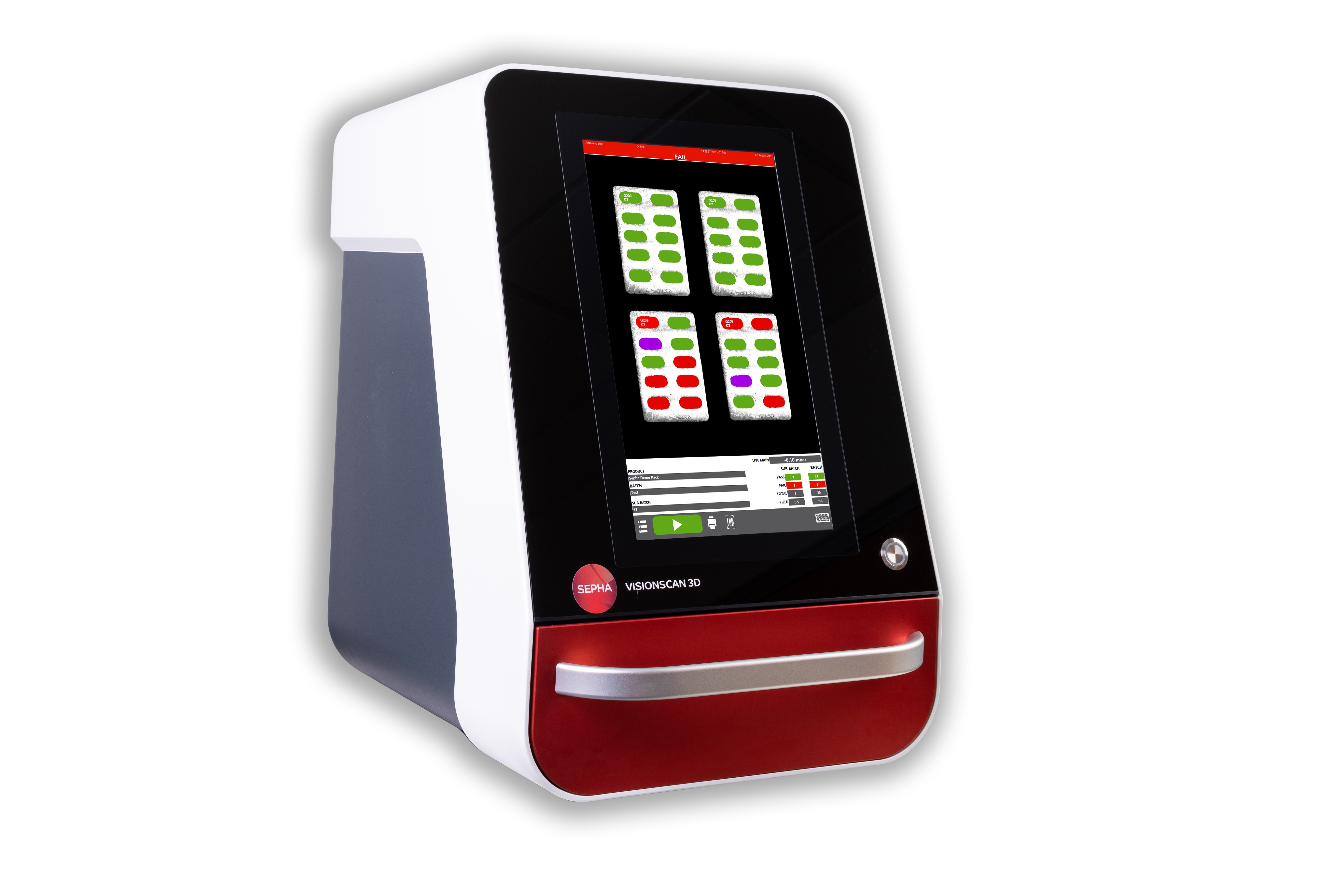
The Sepha VisionScan 3D can form part of that strategy by providing deterministic, non-destructive blister pack leak testing with objective, reviewable results. The wider principle is that package integrity testing should not be treated as a disconnected end step. It should form part of a documented packaging quality process.


