
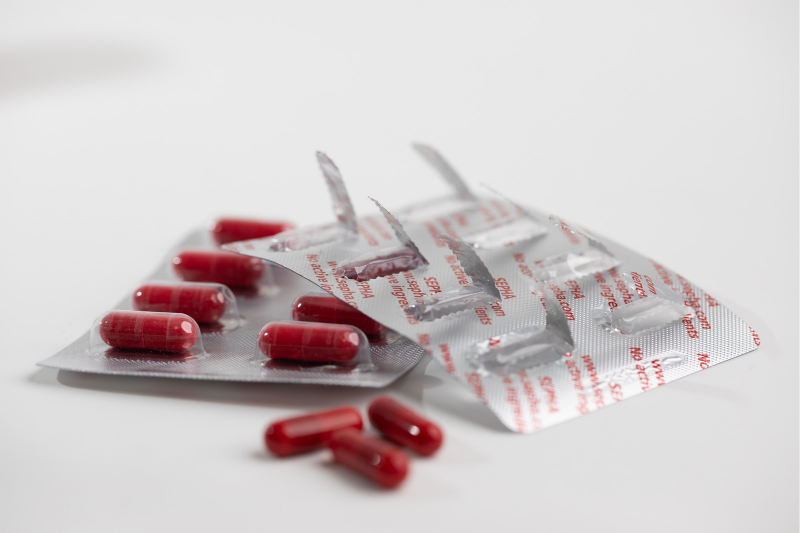
Blister pack rejects are a familiar problem in OSD packaging, and they carry a sustainability cost as well as a commercial one. Some rejects, such as an incorrect overprint or a packaging presentation error identified and contained during production, may not have affected the enclosed product. Other defects, including seal-integrity failures, damaged cavities or uncertain storage exposure, may directly affect product quality and require a different disposition.
That distinction matters. If product cannot be recovered, the rejected packs may need to move into disposal or waste handling routes. Sites may have to separate product from packaging, manage pharmaceutical waste, recycle suitable materials where possible, and deal with the cost and resource burden of disposal. For high-value products, specialist therapies, orphan drugs, clinical supplies, and small production batches, the sustainability impact is not only the discarded blister material. It is also the loss of usable medicine and the resources already invested in making it.
Product recovery depends on the manufacturer's pharmaceutical quality system. Where an investigation determines that the issue is limited to the packaging and recovery is permitted, controlled deblistering can help reduce product loss and support the site’s approved recovery and waste-handling procedures. QA approval, product integrity and traceability remain central to any subsequent disposition decision.
When recovery is appropriate
The first question is why the blister pack was rejected. Some rejects may be limited to packaging presentation or identification. Examples may include incorrect print or coding, wrong market artwork, or a contained production-line setup error. Where an investigation confirms that the medicine itself has not been compromised, controlled recovery may be considered.
Other rejects are different. If product quality has been affected, contamination is suspected, traceability has been lost, or the manufacturer cannot show that the recovered tablets or capsules remain suitable, recovery may not be appropriate.
This is why product recovery decisions need QA involvement. The goal is not simply to save product. The goal is to decide whether recovery is justified.
What QA needs before recovery
Before recovered tablets or capsules can be considered for further processing or use, the manufacturer needs evidence that appropriate controls are in place and product integrity has been maintained.
Has the product been damaged? Is there any risk of foil contamination? Could there be cross-contamination or mix-up risk? Can the recovered product remain traceable? Is the reason for rejection clearly understood? Are the recovery steps defined and approved?
These questions matter because product recovery can introduce new risks if it is handled informally. Manual removal can increase operator handling and may make consistency harder to maintain, especially when larger volumes or sensitive products are involved.
Why the deblistering process matters
Deblistering is the physical recovery of tablets or capsules from blister packs. When recovery is permitted, the process should help minimise product damage, support controlled separation of the product and blister material, and enable consistent handling.
Purpose-built deblistering equipment such as Sepha's PressOut range can support a more consistent and efficient recovery process than manual removal. It is designed to help recover tablets and capsules consistently while minimising product damage and operator handling, making the activity easier to control through defined site procedures.
The Sepha PressOut portfolio includes manual, semi-automatic, and automated deblistering solutions to suit different throughput and operational requirements. Across deblistering applications, customers may need to handle push-through formats, child-resistant formats, peel-push packs, thermoform blisters, coldform blisters, PVC/foil, or alu/alu materials.
The right approach depends on the pack format, product type, batch size, and recovery requirement. For a small number of packs, the operational need may be different from a larger rejected batch. For high-value or limited-supply products, consistency and product protection may carry more weight than speed alone.
Waste reduction starts with product value
Waste reduction is often discussed in terms of packaging materials, but in pharmaceutical blister packaging the larger loss may be the medicine itself. If acceptable tablets or capsules are discarded because the blister pack cannot be released, the site loses product value and creates avoidable pharmaceutical waste.
Where recovery is permitted, deblistering can contribute to sustainability initiatives by reducing unnecessary product loss and providing a controlled means of separating product from rejected packaging.
Recovering tablets or capsules that have been confirmed suitable for further processing or use can reduce disposal requirements, improve yield, help manage supply constraints and avoid some of the resources needed to manufacture replacement product. It can also support the controlled segregation of recovered product and blister material in accordance with the site’s approved recovery, recycling and waste-handling procedures.
Packaging waste still matters, but product waste is often the stronger sustainability argument. The most credible sustainability case is practical: when the medicine is still suitable and recovery is approved, deblistering can turn a potential disposal issue into a controlled recovery process. That can make waste reduction more tangible for ESG programmes because it connects sustainability directly to yield, resource efficiency, and responsible handling of pharmaceutical product.
The takeaway
Rejected blister packs create a quality, operational, and sustainability decision. If the product has been compromised, disposal may be the only appropriate route. Where an investigation confirms that the issue is limited to the packaging and recovery is permitted, controlled deblistering may reduce avoidable product loss and support practical sustainability objectives.
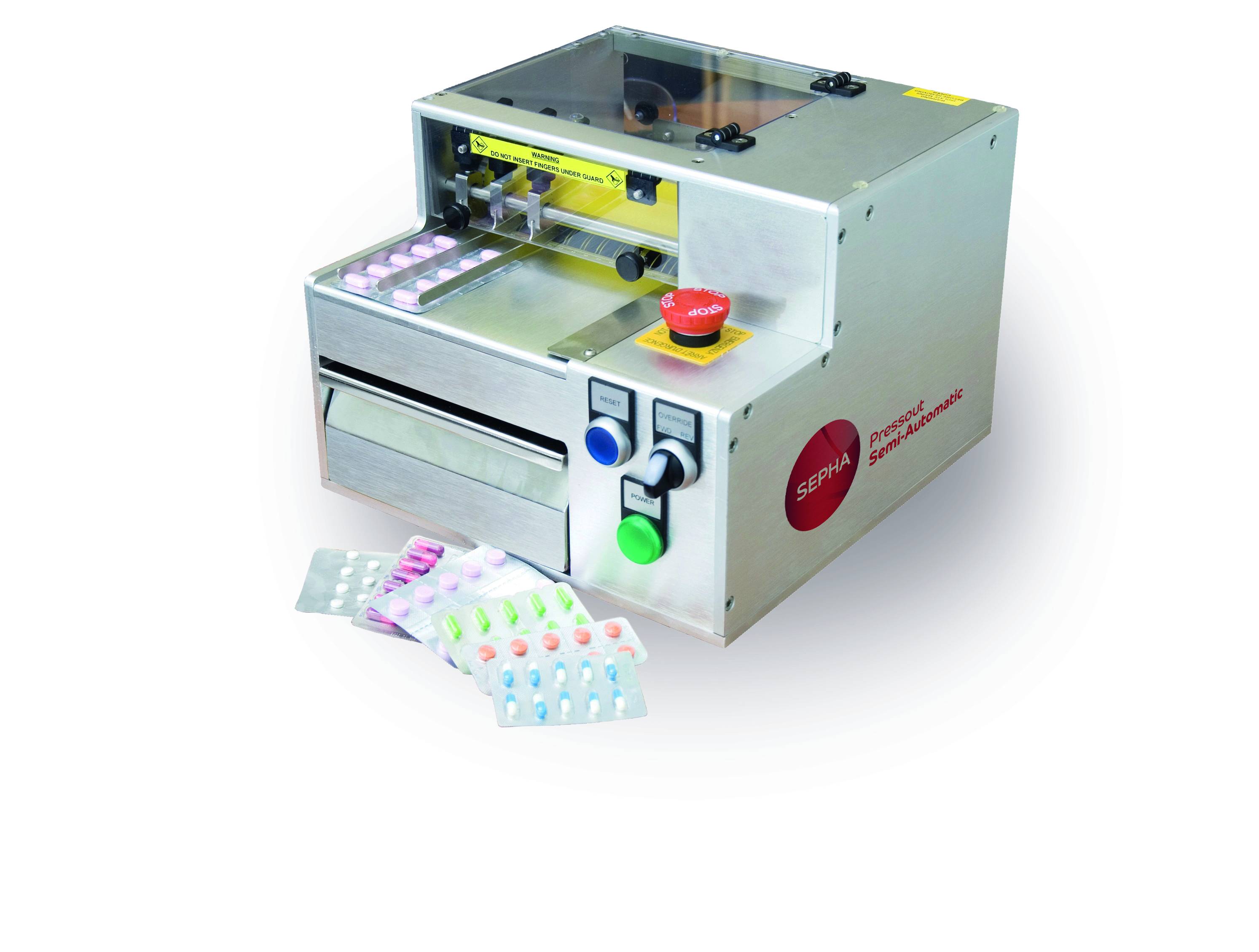
Sepha’s PressOut range fits this need by supporting a more consistent, efficient approach to recovering tablets and capsules from rejected blister packs where recovery is permitted. The value is not only recovered product. It is the ability to make waste reduction a clearer, more repeatable part of the packaging quality process.


