

The inspection of parenteral products is essential in pharmaceutical manufacturing. Every container leaving a facility must meet strict quality standards to ensure patient safety and maintain efficient production.
Discussions about visual inspection often emphasise the physical system components, including cameras, lighting, container handling and increasingly sophisticated robotics.
However, the true intelligence of a modern inspection system lies in its software, where much of the development effort and value are concentrated.
Container handling and positioning
The process begins with container handling. Before inspection, products must be positioned correctly. Automated systems manage containers differently from human inspectors, who naturally manipulate them to maximise defect visibility.
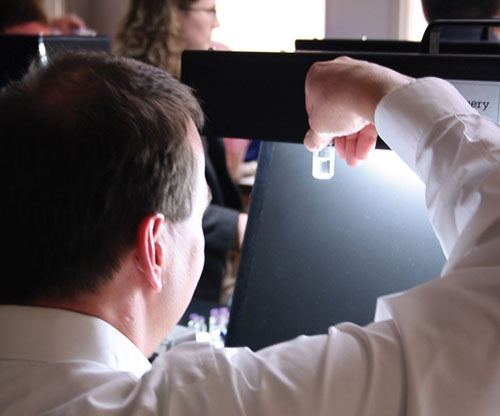
Modern robotic systems increasingly replicate these movements, bringing key benefits of manual inspection into automated environments.
Image acquisition
Next comes image acquisition. Human inspectors build visual understanding by examining containers against white and black backgrounds.
Automated systems achieve the same objective with carefully designed lighting and camera configurations to capture images from multiple angles and under different conditions.


