
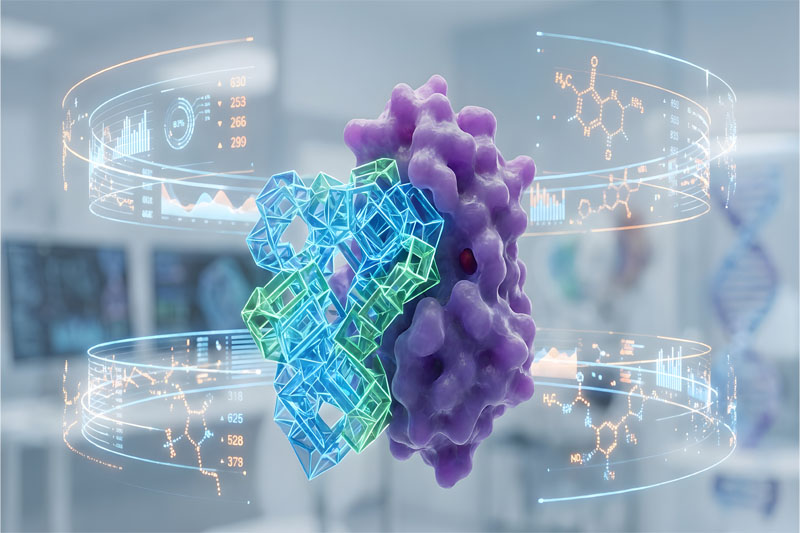
Part I reframes therapeutic innovation as a problem of integration rather than invention: instead of continually searching for new molecular targets, drug developers can unlock more value from known biology by using chemistry to improve targeting, stability, delivery, release and diagnostic precision.
Sean Downing (SD) tells Dr Kevin Robinson (KSR) that the future lies in designing therapies from the outset as unified biological–chemical systems in which components such as linkers, tracers and chemical modifications are not secondary details but central determinants of safety, efficacy and patient selection.
This is especially clear in areas such as immuno-oncology and antibody–drug conjugates, for which small changes in detection methods, conjugation strategy or linker behaviour can decide whether an existing platform becomes more precise and clinically useful — or fails through poor control of where and when its therapeutic payload acts.


